Data Privacy in AI Documentation Tools: What You Need to Know
A practical privacy checklist for AI documentation tools, covering data types, retention, vendor checks, and policy alignment.
- data-privacygovernancecomplianceai-agents
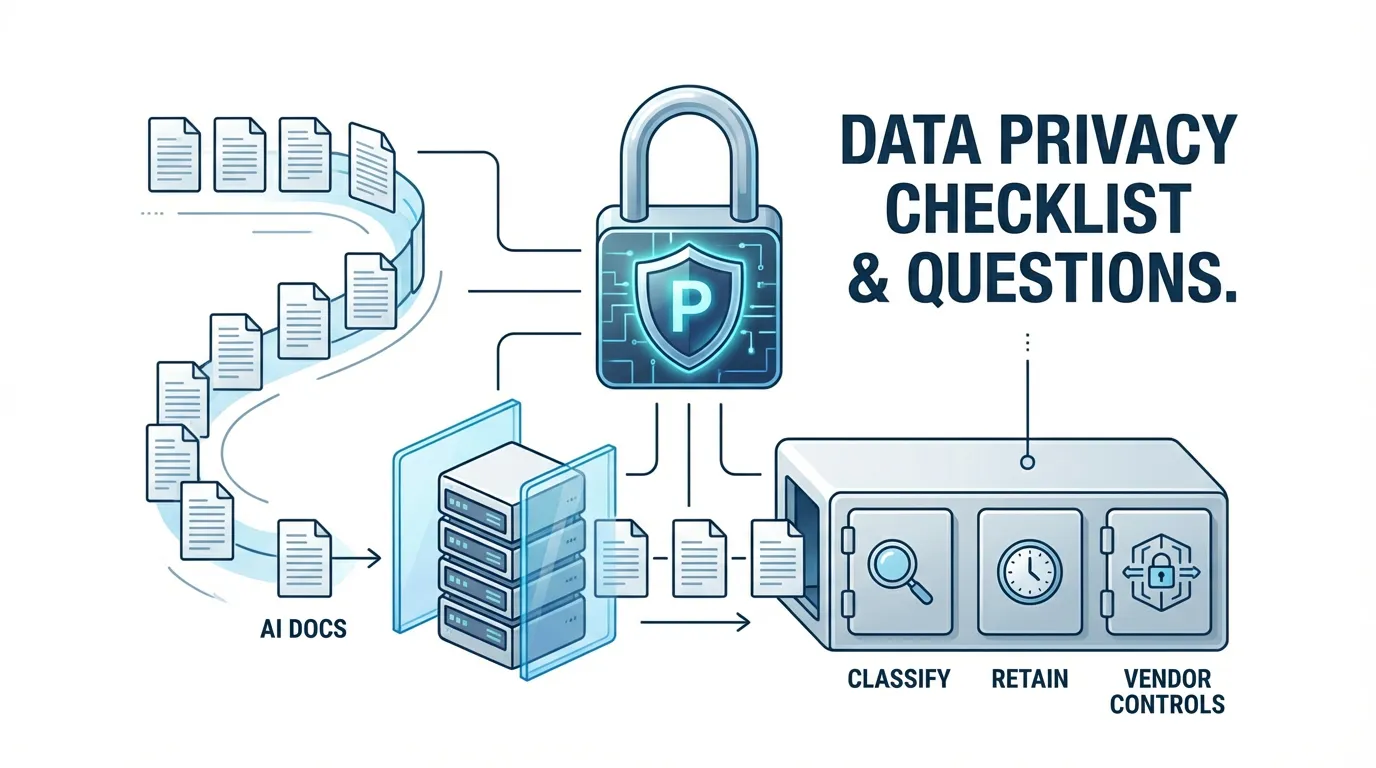
AI documentation tools can touch sensitive data. Privacy is not optional. You need clear data handling, retention, and vendor controls before you scale usage.
This guide offers a practical privacy checklist and the questions teams should ask.
Direct answer: Data privacy in AI documentation tools requires clear data classification, retention rules, and vendor controls. Align tool usage with internal policy and audit access regularly. Privacy is a process, so build review cycles that keep policies current over time for teams.
Privacy risks in doc tooling
Doc tools often ingest source code, product docs, and internal knowledge. Each category can contain sensitive data if not controlled.
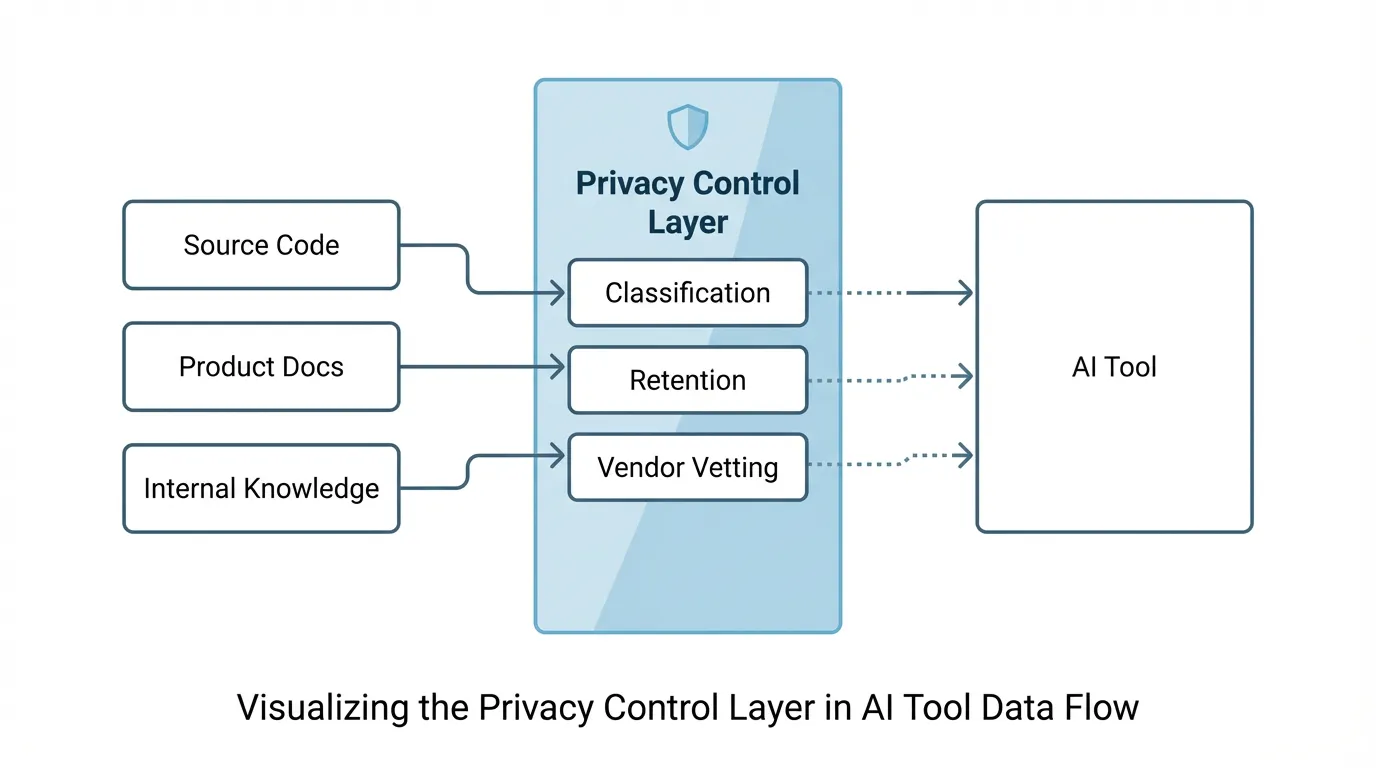
Data categories and sensitivity
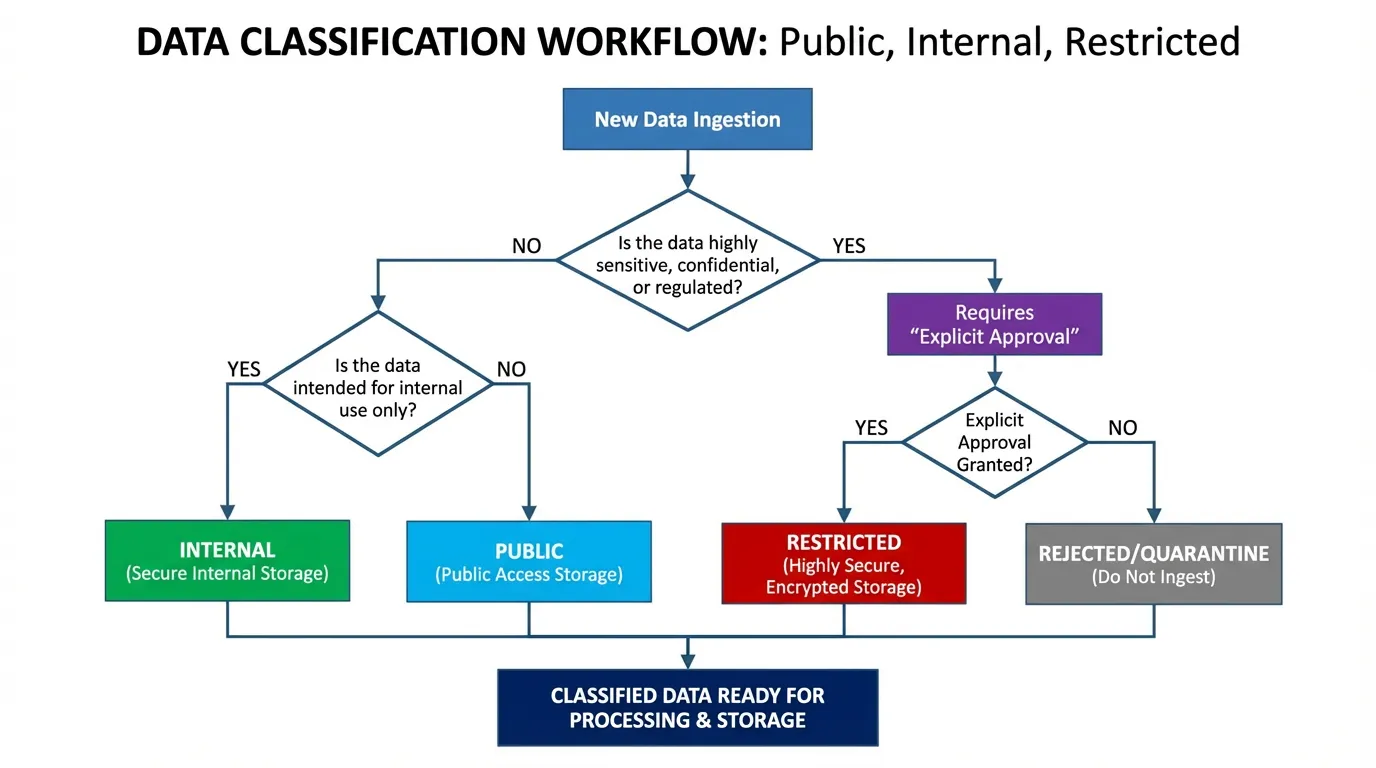
Classify data into public, internal, and restricted. Only include restricted data when you have explicit approvals.
Retention and deletion
Define how long data is stored and how it is deleted. Document these policies and keep them current in docs.
Vendor evaluation checklist
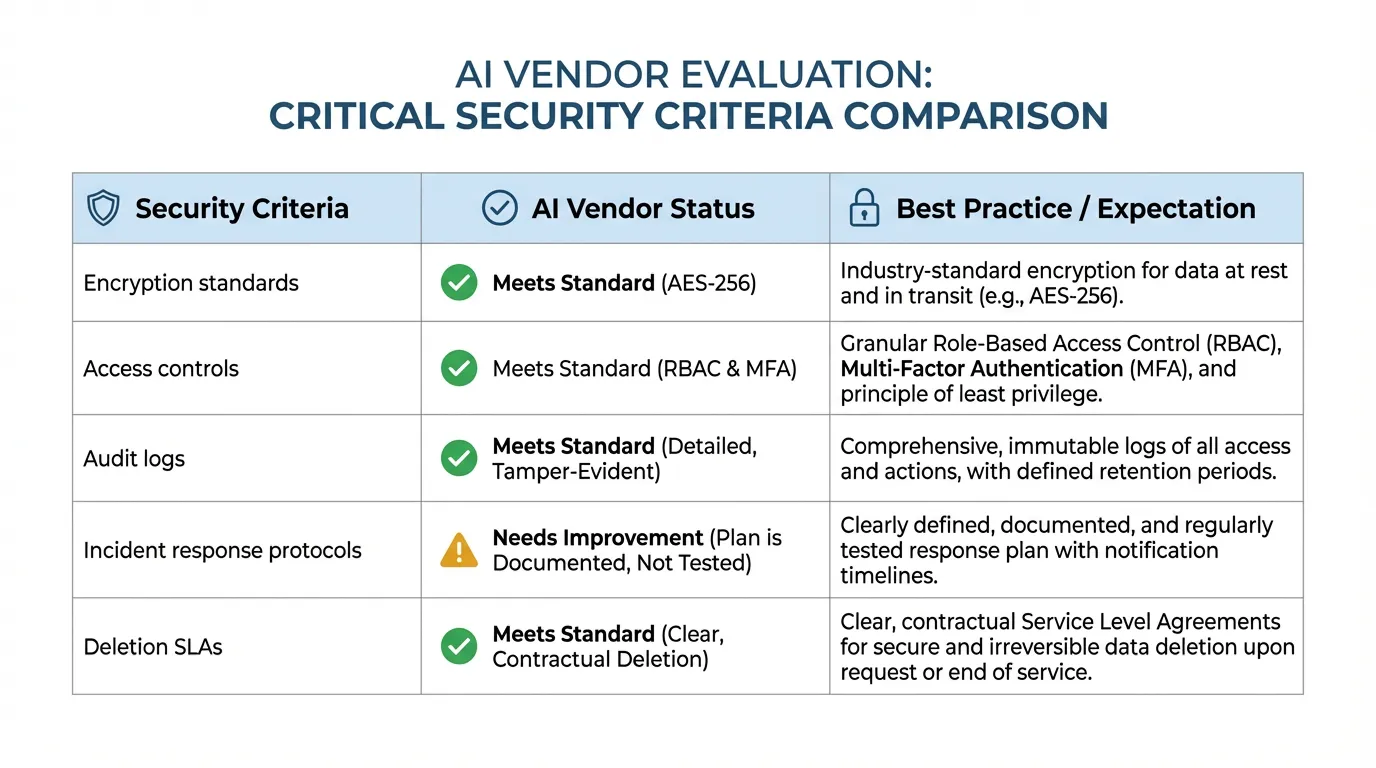
Ask vendors about encryption, access controls, audits, and incident response. Align these checks with security.
Example (hypothetical): A vendor review flags unclear retention, so you require a deletion SLA before approving the tool.
Internal policy alignment
Make sure the tool aligns with internal privacy policy and legal requirements. Train teams on safe usage and review access regularly.
Example metrics to track
| Metric | What it tells you | How to measure | |---|---|---| | Policy exceptions | Risk exposure | Count of approved exceptions | | Retention compliance | Data handling quality | Percent of data deleted on time | | Audit coverage | Oversight | Systems reviewed per quarter |
FAQs
What data should never be ingested?
Do not ingest secrets, credentials, or regulated personal data unless you have explicit approvals and controls.
How should I evaluate vendors?
Ask about encryption, retention, audit logs, and incident response. Require clear deletion guarantees.
Summary and next step
Key takeaways:
- Classify data and enforce retention rules.
- Vendor checks are part of privacy.
- Audit access and policy exceptions regularly.
Ready to apply this? Try for free.
Ready to give SotaDocs a try?
A practical privacy checklist for AI documentation tools, covering data types, retention, vendor checks, and policy alignment.